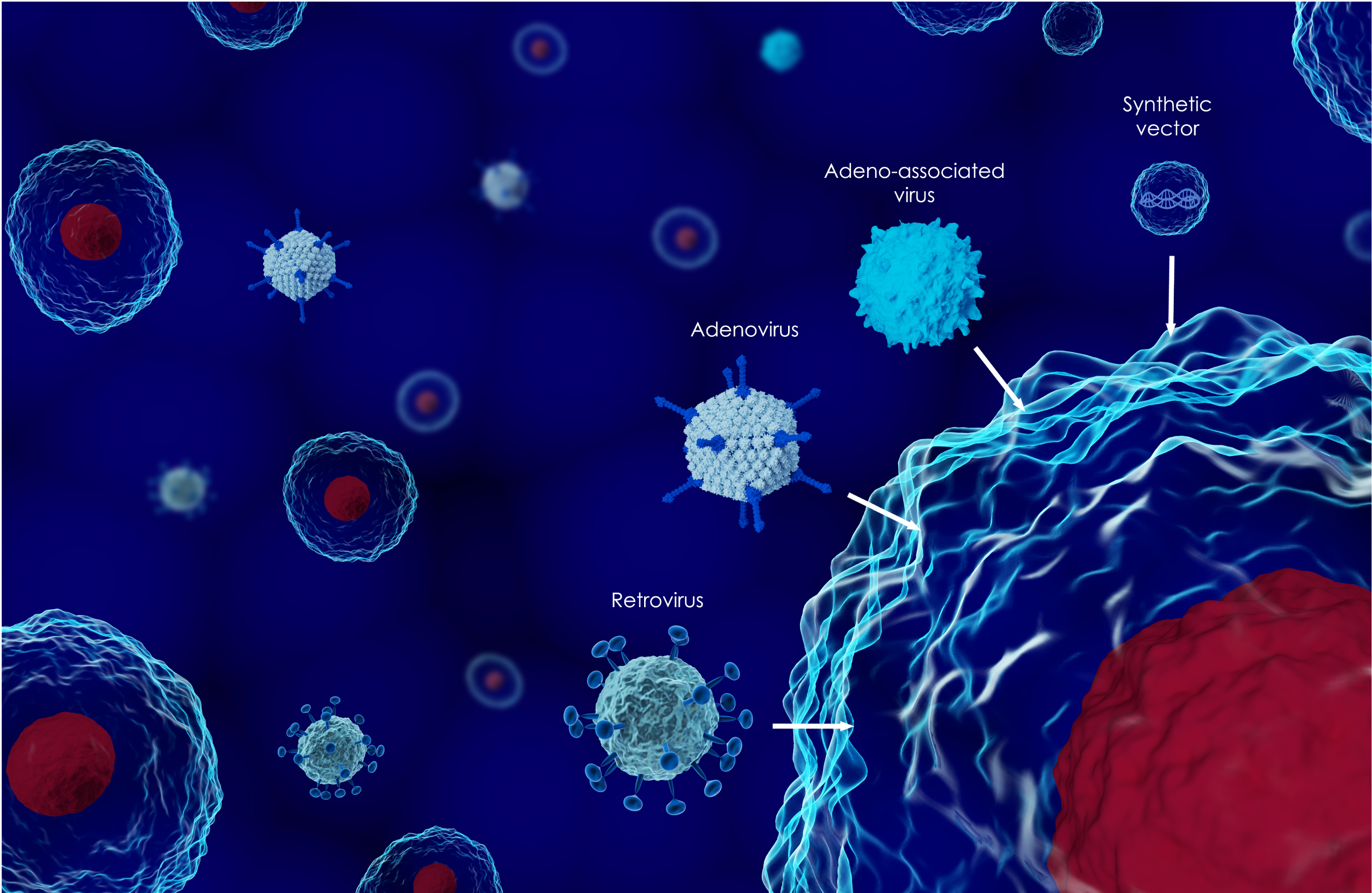
Cell and gene therapies (CGTs) have advanced from conceptual promise to clinical reality, with dozens of approved products and thousands more in development. A unifying feature across this pipeline is the viral vector: an engineered virus optimized to deliver therapeutic payloads with high efficiency.
LVV Delivery
Artis supports LVV development and GMP manufacturing through POSTmark, a platform that aligns development and cGMP manufacturing through mirrored equipment, scale-down models, and standardized workflows to support scalable production and lower-risk technology transfer.
Capabilities
End-to-End LVV Manufacturing
Integrated support from process development through GMP production (50 L & 200 L), with in-house analytical development, QC, and optional cell therapy manufacturing
Proven GMP Expertise
Artis team has 40+ cumulative years of viral vector manufacturing experience, including GMP production of complex LVV constructs (>9 kb)
Scalable Process Development
Expertise in suspension upstream processing, downstream purification, and analytical characterization
Accelerated Timelines
R&D supply in 4–8 weeks and GMP LVV in 6–9 months enabled by standardized, transfer-ready workflows
Integrated QC and Fill/Finish
In-house quality control, release testing, and GMP fill/finish capabilities
Synthetic DNA Option
GMP-ready synthetic DNA as a plasmid alternative, available in as little as 2 weeks
LVV Workflow: From First Run to GMP
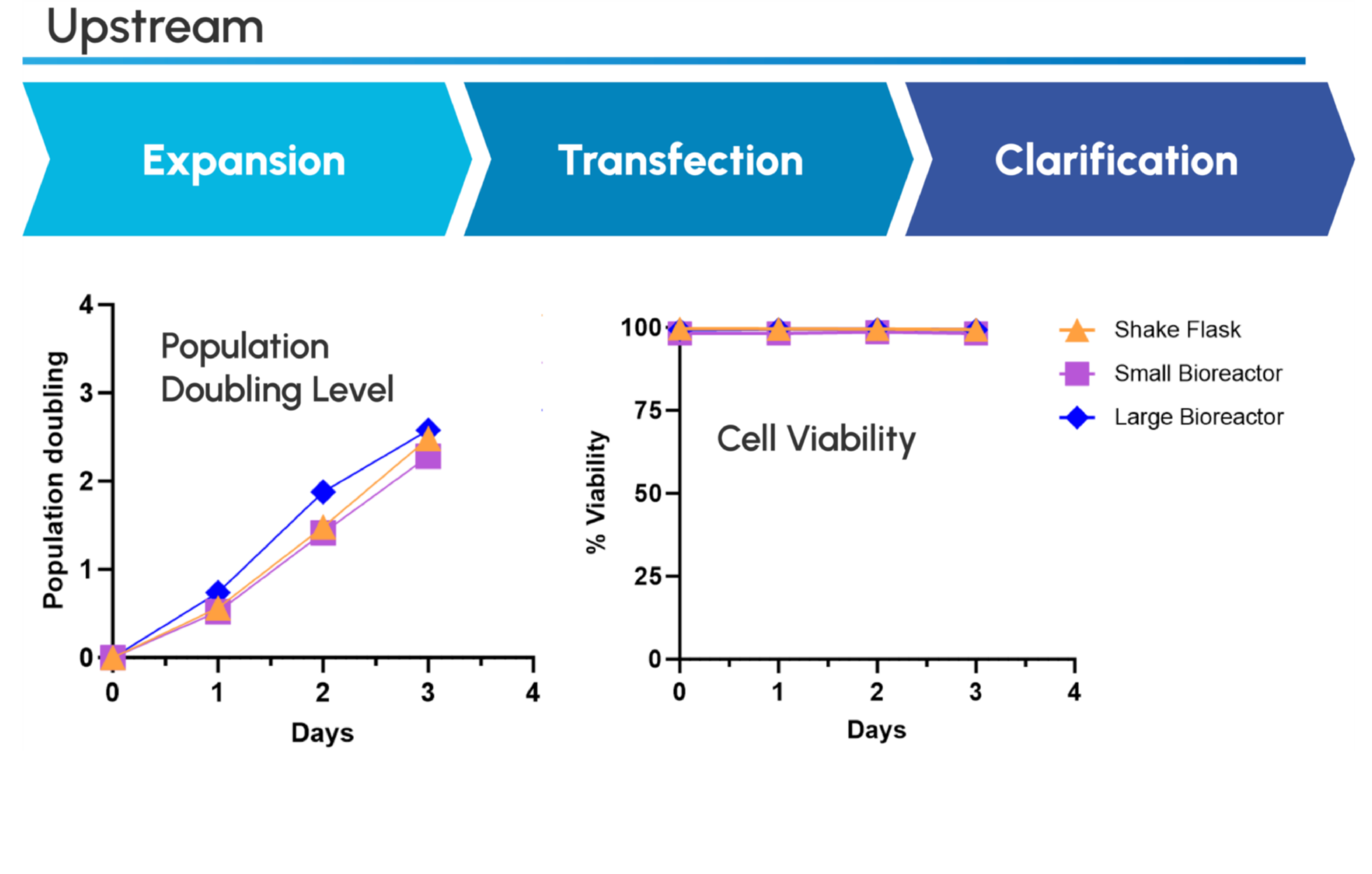
- HEK293 suspension cultures scaled from IDL to 200L.
- Third-generation LVV plasmid systems
- Bioreactors designed for reproducibility & scalability
- Clarification via depth filtration

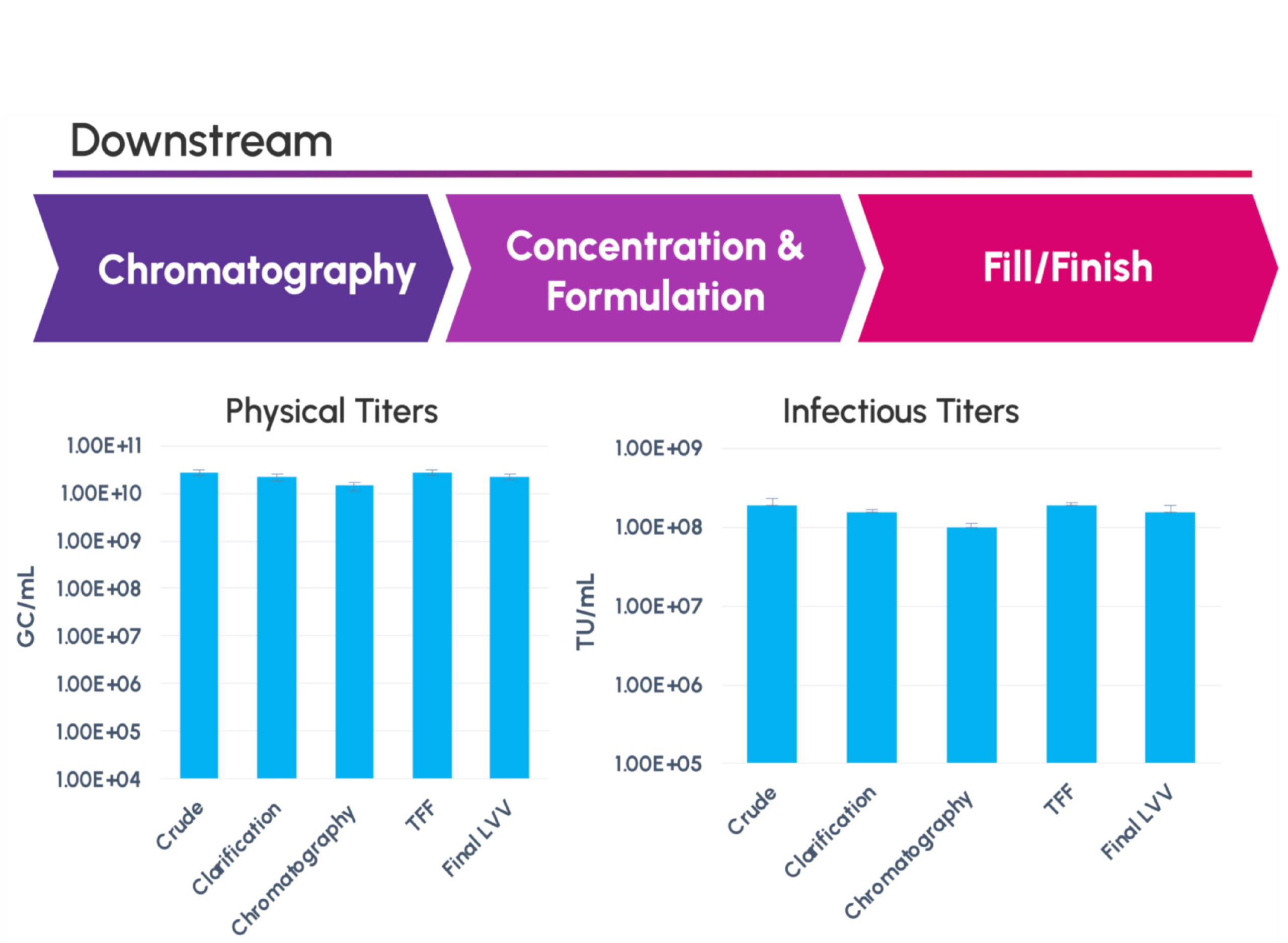
- Capture & polishing chromatography
- Concentration & formulation using tangential flow filtration
- Recovery rates matching or exceeding literature
- Sterile filtration & fully integrated fill/finish

LVV Analytics
Genomic Titer
Capsid Titer
Infectious Titer
qPCR / ddPCR
ELISA (p24)
Genomic Intragration (qPCR or ddPCR), Protein expression (Flow Cytometry)
Viral Genomes (VG)/mL
Viral Particles/mL
Transducing Units (TU/mL)
Gene/Protein Expression, Biological Function
Flow Cytometry/PCR/ELISA/In Cell Western
Relative Potency (% Reference)
Lentivirus (transgene capsid proteins)
PCR, ELISA, Western blot (p24, p17, transgene)
Qualitative confirmation
Viral particles
Aggregation
Host cell protein
Host cell DNA
Residual plasmid
Peak detection . discrimination (UHPLC)
DLS
ELISA
PicoGreen, qPCR
qPCR
Qualitative (UV/FL)
Size, composition
Detection (ng/mL)
Detection (pg/mL)
Detection (copies/mL)
Replication competence
Compendial (myco, sterility, endotoxin)
qPCR
Assay specific
VSVG (copies/mL)
Detection (pass / fail)
Process and Analytical Development
Within the POSTmark framework, development and GMP manufacturing are aligned through standardized workflows, mirrored equipment, and scale-down models, supporting efficient technology transfer and scalable production.
- Transfection & production optimization
- HEK293 suspension-based upstream workflows
- Downstream purification & formulation strategies
- Processes aligned with GMP manufacturing & technology transfer
- Infectious & physical titer methods
- Potency & functional assays
- Identity, purity, & residual impurity testing
- Methods developed & qualified to support GMP release & comparability
Quality and Compliance
cGMP facilities and operations are designed to meet applicable US FDA regulations (including 21 CFR Parts 11, 210, 211, 610, and 1271) and relevant ICH quality guidelines.