Background image

The oDNA Platform

Artis combines proprietary enzymatic, cell-free DNA manufacturing with flexible DNA formats and adaptor technologies designed for advanced therapy development and manufacturing.

Cell-free production enables bypassing bacterial fermentation, making high-purity DNA accessible in just 2-4 weeks without plasmid backbones or other unnecessary DNA elements. 

Your Gene of Interest, Optimized for Functionality

Fully Synthetic DNA For Cleaner, More Controlled Starting Material

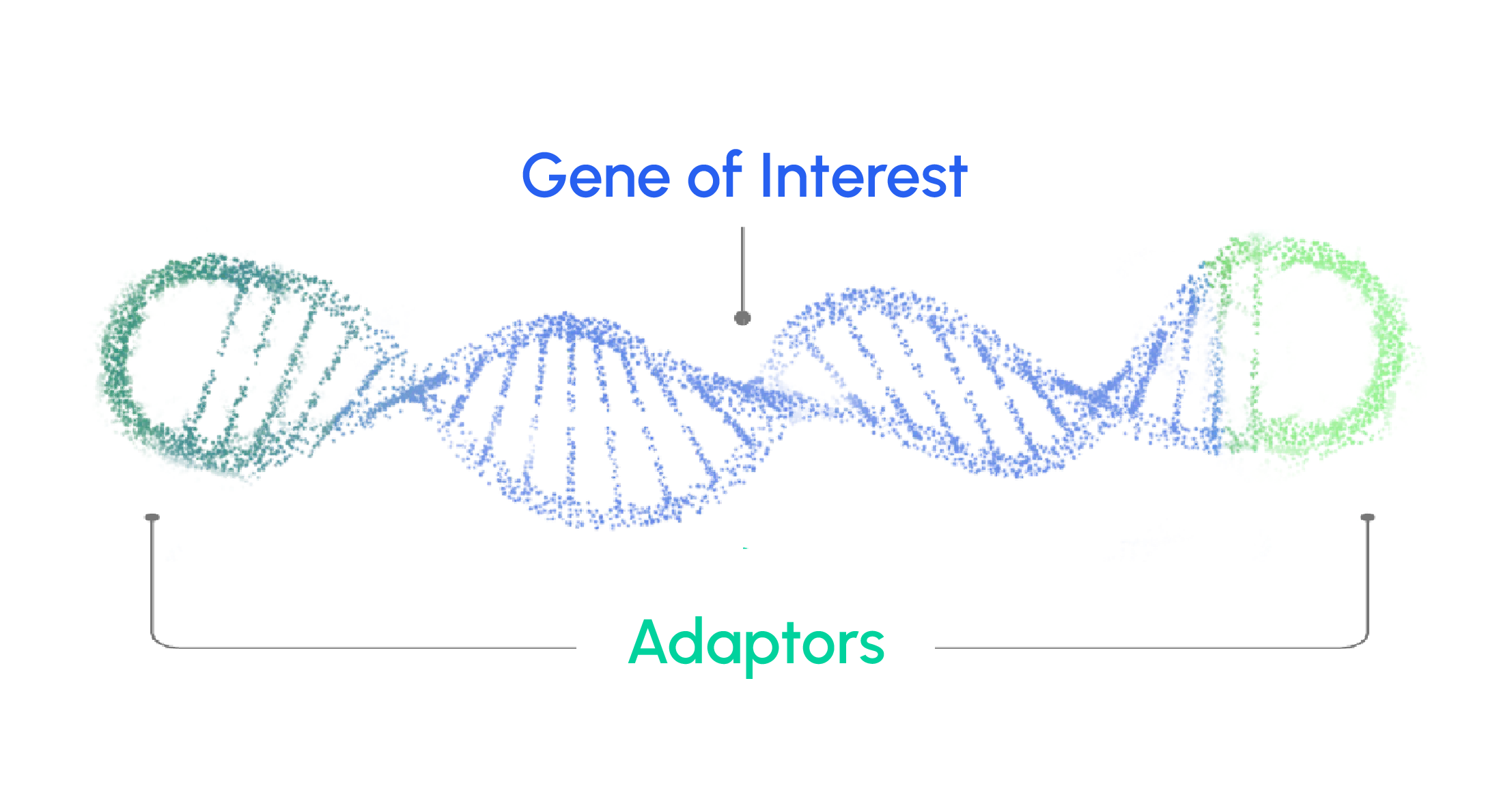
Synthetic oDNA is a double-stranded linear DNA molecule composed of the therapeutic coding sequence, an application-specific DNA architecture, and proprietary non-coding adaptor sequences that optimize performance while preserving the therapeutic sequence.
oDNA horizontal
Artis – icons_Speed
Enzymatically produced up to gram scale in weeks
Artis – icons_Check
No bacterial impurities (endotoxin, antibiotic markers, host DNA)
Artis – icons_Logistics
Wide acceptable sequence length (from 1 kb to 15 kb)
Artis – icons_DNA
Sequence complexity and repeat sequences pose no issue
Artis – icons_Checklist
Batch-to-batch reproducibility
Artis – icons_Data
GOI stored in cell-free repository (no cell bank)
Artis – icons_Analytics
Ability to bypass plasmid as starting material
Artis – icons_RNA
Expands compatibility with polyA, regulatory cassettes, etc

The Only End-to-End Plasmid-Free Synthetic DNA Platform

Allows for starting material flexibility, efficient amplification, and optimized DNA performance. 

How oDNA is Optimized for Different Applications


Every advanced therapy is different, with unique requirements for performance, delivery, and manufacturability. To enable application-specific oDNA constructs without modifying the therapeutic sequence, oDNA is designed to be optimized through TWO KEY FEATURES:

Feature Image

DNA Architecture

Different applications benefit from different DNA molecule structures. 

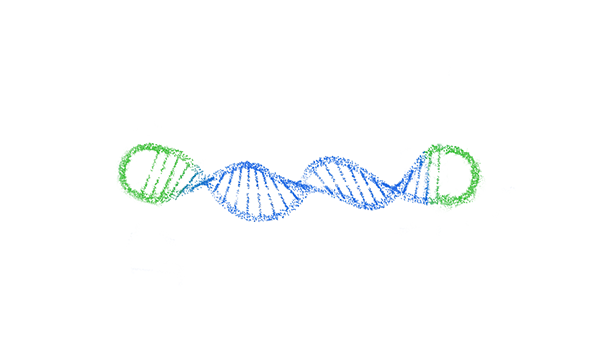
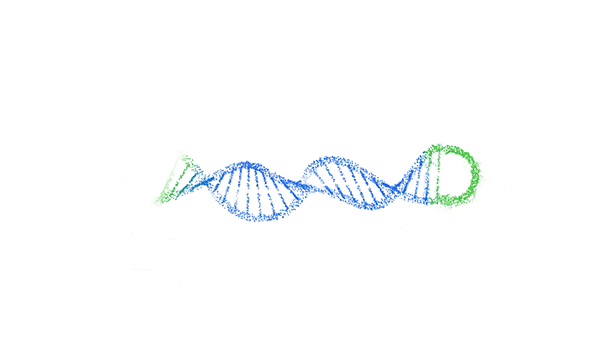
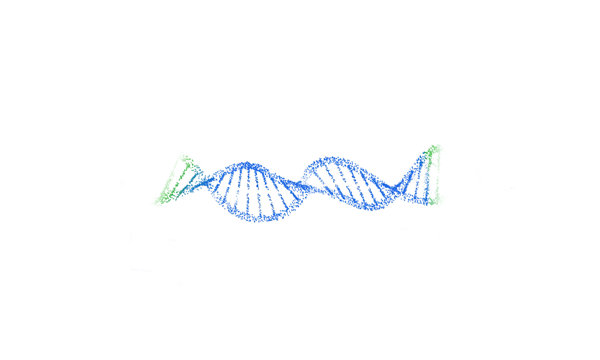
oDNA can be engineered in multiple molecular formats with open or closed ends. Each end can be independently designed to optimize manufacturability and downstream performance for specific applications, allowing for symmetric or asymmetric formats, depending on goals. 

Feature Image

Application-Specific Adaptors

Application-based adaptor modules tailor GOI function to end goals. 

Adaptor sequences are programmable, non-coding DNA elements that surround the therapeutic coding sequence. They are engineered to optimize construct performance for each application while leaving the therapeutic sequence unchanged.

DNA Architecture

WEB_oDNA-1 (1)

LINEAR CLOSED

Ideal for viral & non-viral gene therapy, DNA-based vaccines & therapies, and gene editing applications. 

WEB_oDNA-2 (1)

LINEAR PARTIALLY CLOSED

This molecular format is optimal for RNA-based vaccines and RNA-based therapies. 

WEB_oDNA-3 (1)

LINEAR OPEN

This molecular format is optimal for RNA-based vaccines and RNA-based therapies. 

Application-Specific Adaptors

Extended Persistence

arrow down

DNA persistence within cells can be improved using non-natural nucleotides. 

Efficient Transcription

arrow down

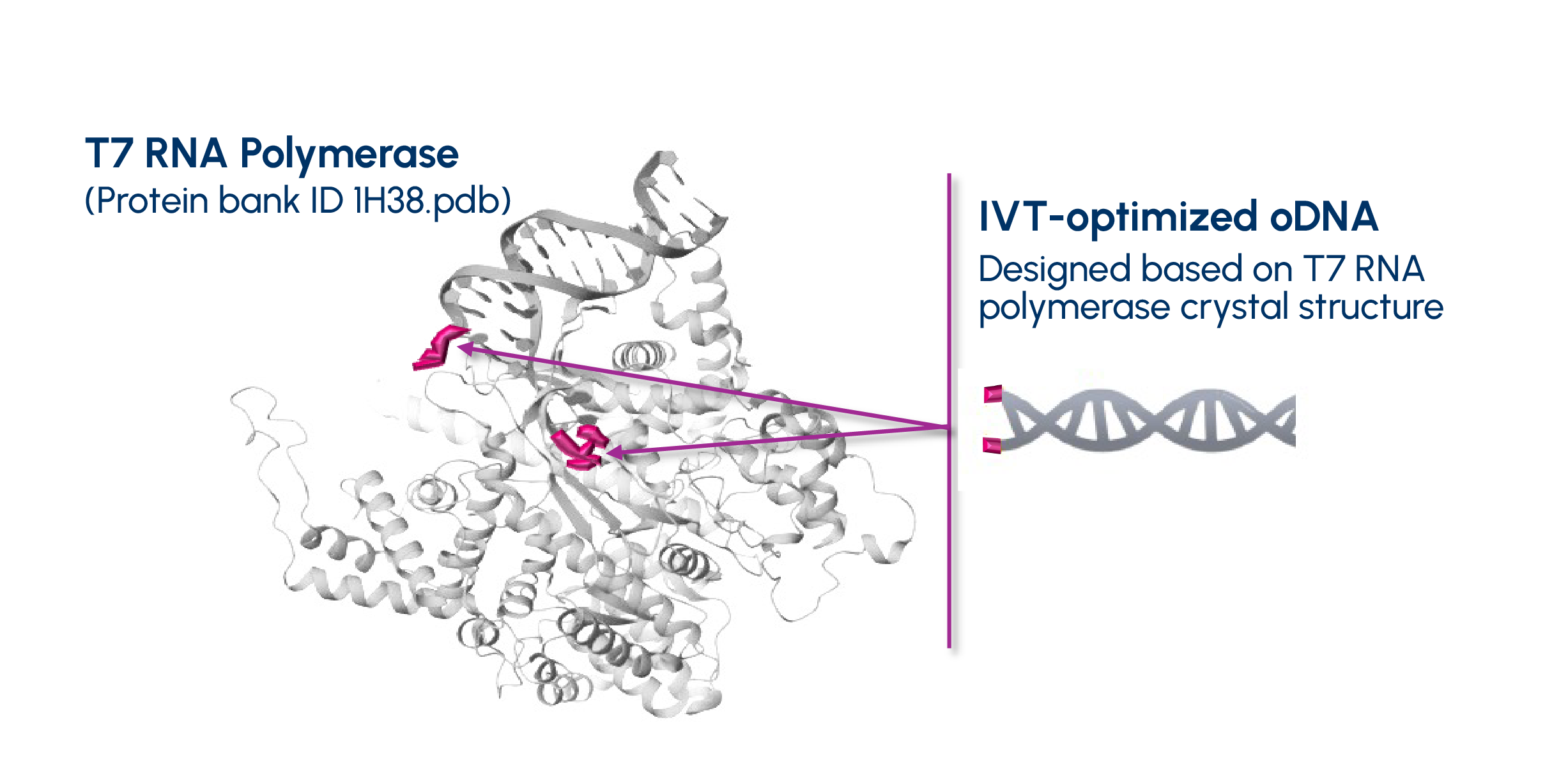
Transcription is supported by sequence or structure-guided adaptors inspired by RNA polymerase crystal structures, optimizing promoter recognition and improving IVT efficiency. 

Cell Type Targeting

arrow down

Targeting may be achieved through adaptors functionalized with ligands that bind specific cell-surface receptors, enabling selective uptake in desired cell populations. 

High Expression

arrow down

Higher expression at DNA level can be achieved by improving multiple upstream and downstream steps that determine functional payload availability.

Nuclear Translocation

arrow down

Translocation can be facilitated by adaptors incorporating nuclear localization signals (NLS), or aptamers that promote nuclear import. 

Release from Delivery Vectors

arrow down

Release can be improved using adaptors that promote endosomal escape, among others.

Immunogenic Responses

arrow down

Immunogenic Responses can be modulated through the use of modified nucleotides. 

oDNA adaptor bright 2′
Documentation Image

Case Study: Function-Guided Adaptors Improve In Vitro Transcription Performance

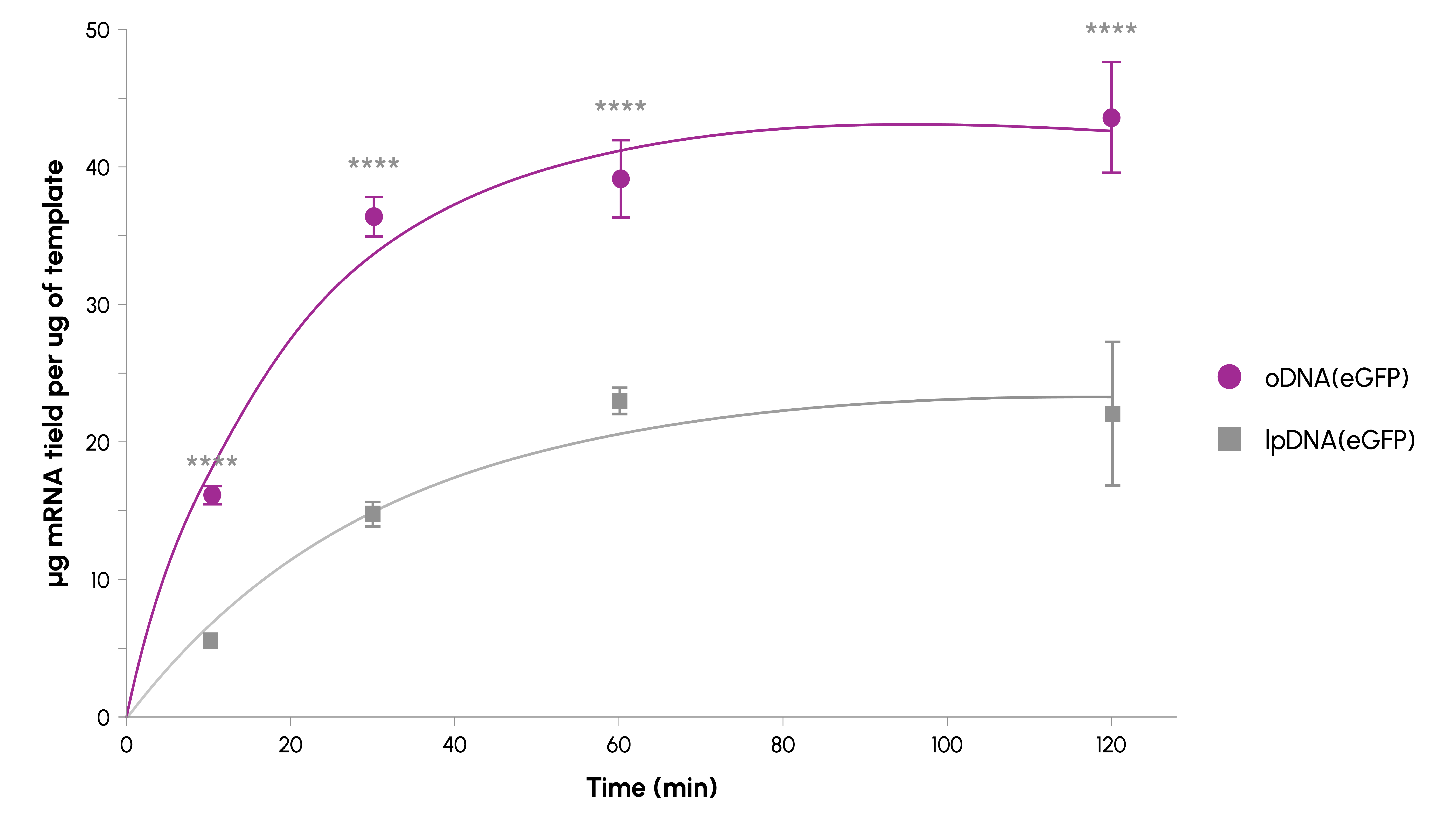
Structure-guided oDNA adapters, designed based on T7 RNA polymerase crystal structure, improve T7 polymerase kinetics, leading to higher transcription rate and efficiency (↓Km, ↑Vmax) and increased RNA yield.

Case Study: Function-Guided Adaptors Improve In Vitro Transcription Performance